Sep 21, 2026
A Better Workspace: Office Chairs Buying Guide
Making the right choice about sitting is one of the most important things you can do to make your workplace productive and comfy. Employee office chairs are more than just a place to sit; they have a direct effect on the health and productivity of workers as well as the long-term effectiveness of the company. This guide will show you how to choose flexible office chairs that are good for both your employees' comfort and the buying needs of your business. We'll talk about the useful tips that mean most to people who make decisions in business offices, hospitality projects, real estate developments, and government buildings across the United States. These tips will include knowing important features, comparing suppliers, and keeping your investment safe.
Understanding Employee Office Chairs: Types, Benefits, and Features
Executive vs. Standard Office Chairs
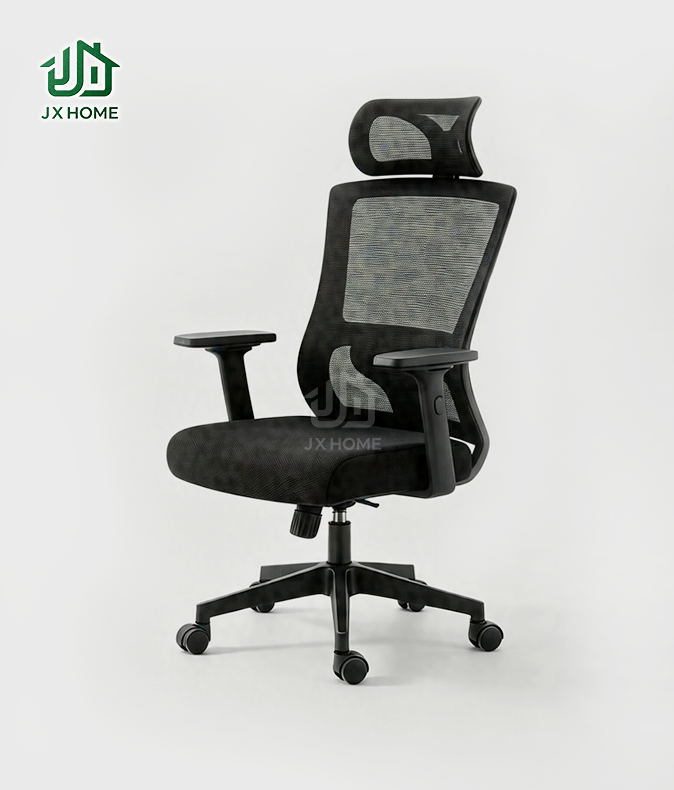
There are two main types of office chair options based on how complicated the design is and who the product is meant for. Executive chairs usually have higher backrests, higher seating materials like real leather, and a better look that makes them ideal for offices for managers. Standard task chairs are made to be useful and last a long time for the general workforce. They usually have breathable mesh cloth and simple designs that work for a variety of body types and long periods of sitting.
Material Options and Their Impact
The choice of material affects both user comfort and the long-term maintenance costs of employee office chairs. Mesh backrests are excellent for airflow, helping employees stay cool during long work sessions and preventing heat buildup. High-density foam seats distribute pressure better and keep their shape even after years of daily use. Comfort and cost-effectiveness are both good things about fabric furniture, but it needs to be cleaned more often than mesh options. Knowing the temperature in your buildings can help you figure out which mix of materials will work best.
Ergonomic Benefits That Matter
Good adjustable chairs take into account the physical needs of long periods of sitting. An adjustable lumbar support fits the natural curve of the lower back, which keeps the spine from being pressed on and stops constant pain from starting. Three-dimensionally movable handles let workers put their arms at the right heights and angles, which keeps shoulders from tensing up and lowers the risk of repetitive strain injuries. These features aren't extras; they're evidence-based treatments that lower the number of accident claims at work and improve workers' ability to stay focused throughout the day.
How to Choose the Right Office Chairs for Your Employees
Defining Your Core Procurement Criteria
Setting clear evaluation standards that are in line with your working setting is the first step to choosing the right chair. The most important thing should be ergonomic features, which include the range of adjustments, the weight limit, and physical support features. Some things that show how well something was built are the materials used to make the frame, how long the wheels last, and whether the gas springs are certified. When evaluating employee office chairs, procurement teams should balance upfront costs with long-term value, including warranty coverage and expected replacement cycles. You shouldn't settle for poor options just because you're on a tight budget. Investing in the right seats will save you a lot more in healthcare costs and missed work than their initial price difference.
Matching Chairs to Job Roles and Environments
Different work settings demand tailored seating specifications. For 8 hours a day, data entry experts and coders need chairs with better back support and materials that let air flow through them. The seats in a conference room are designed to make the best use of space and be easily adjustable for different users. For offices in factories, you need chairs made for industrial settings with strong bottoms and surfaces that are easy to clean. If you take the time to look at what your employees actually do every day, you can be sure that the solutions you buy will be useful and not just general.
Scalability and ROI Considerations
When purchasing employee office chairs in large quantities, organizations should consider scalability and long-term return on investment. Standardization across locations makes it easier to handle replacement parts and maintenance procedures. Agreements to buy in bulk from dependable makers save a lot of money and make sure that quality standards are always met. If your organization has a complete seating program that covers a wide range of building types and employee groups, you can save money on costs without sacrificing worker comfort or safety.
Comparing Popular Employee Office Chair Types and Brands
High-Performance Features in Modern Designs
Modern ergonomic sitting includes complex adjustment systems that were created through study into biomechanics. The chairs I've worked with a lot have 135-degree reclining functions with locked angles. This lets people switch between focused task posture and relaxed thought postures throughout the workday. Most height-adjustable gas springs have 10 cm of adjustment range, which covers the 5th to 95th percentile of user heights as suggested by BIFMA guidelines. The heavy-duty fabric bases with five wheels allow for 360-degree movement and spread the weight evenly to protect different types of floors.
Material Performance and Maintenance Requirements
Many organizations prefer employee office chairs with breathable mesh backrests because they improve comfort while requiring minimal maintenance. High-density foam seats with a density of 50 to 60 kg/m³ stay structurally sound even after years of being compressed and sucked in, which happens with cheaper options. When looking at different combos of materials, keep in mind that mesh needs to be vacuumed and spot cleaned every once in a while, while cloth upholstery should be professionally cleaned every three months in areas with a lot of foot traffic. Weight capacities are very important. Good chairs should be able to hold at least 150 kg so they can be used easily by a wide range of people.
Dimensions and Space Planning
Good space planning keeps workspaces from getting too crowded and makes sure people can move around easily. The standard size for an ergonomic work chair is 65 cm wide and 68 cm deep, and it can be changed to any height between 118 and 128 cm. The seat is about 48 cm wide and 45 cm deep, which is the right size for most people without being too bulky. Backrest heights of about 70 cm support the upper and middle back well without getting in the way of how the desk is set up. These requirements make it easy to plan the layout of workstations while still giving workers enough personal space, which they like.
Maintaining and Maximizing the Lifespan of Employee Office Chairs
Routine Care Protocols
Setting up regular care plans for furniture is necessary to make it last longer. Light cleaning mesh parts once a week can help get rid of dust buildup that can block airflow. Every month, you should check the foam seats to see if there are any compression marks that could show wear patterns that mean your chair collection needs to be rearranged. Casters collect dirt and other things that make rolling smoothly difficult. Cleaning and inspecting them every three months keeps them in good shape and protects the floor. Most gas springs don't need to be maintained, but they should be checked once a year to make sure they work smoothly and hold their height.
Diagnosing Wear and Planning Replacements
Monitoring the condition of employee office chairs helps organizations identify issues before they affect employee comfort or workplace safety. Strange noises that happen during changes are often a sign that an internal system needs to be oiled or a part needs to be replaced. Users who say they are uncomfortable even after making the necessary adjustments may mean that the foam is compressed too much. Bases that wobble or plastic parts that are cracked are safety risks that need to be fixed right away. By keeping a structured record of these problems across all of your furniture, you can plan ahead for replacements that will stop sudden breakdowns and keep workplace standards uniform.
Sustainable Procurement Strategies
Environmental duty is becoming more and more important in B2B purchasing decisions. Working with companies that have FSC and CARB certifications will make sure that the furniture you buy meets standards for preventing deforestation and carbon emissions. Some businesses are able to use mixed-age inventory tactics that work well, moving less-used chairs to lower-intensity areas and giving younger chairs to people who use them a lot. This method maximizes the worth of furniture over its entire life while keeping the right amount of comfort across a wide range of use patterns. Proper end-of-life dumping partnerships keep trash out of landfills by reusing materials and using metal, plastic, and foam parts for making new things.
Streamlining Your Procurement Process: Bulk Buying, Custom Orders, and Supplier Selection
Evaluating Supplier Capabilities
To choose the right production partner, you need to look at more than just product brochures. Check the vendor's production capacity to make sure they can meet shipping dates for big orders without lowering the quality. It is very important to look for both ISO 9001 quality management systems and product-specific safety standards like BIFMA X5.1 in a certification collection. International compliance paperwork, such as CE marking, makes it easier for customs officials to clear imported furniture. Suppliers who can do both OEM and ODM are very helpful for businesses that need to change specifications or customize products with their own brand to meet their specific working needs.
Negotiating Volume Agreements
Large-scale purchases of Employee Office Chairs often qualify for significant volume discounts and improved purchasing terms. Orders of 100 units or more usually start at a volume discount tier, with prices getting better at 500 and 1,000 units. You can negotiate longer payment terms like net-30 or net-60, which makes it easier to handle cash flow during building expansions. You can schedule the arrival of your furniture with the end of your building project, which saves you money on storage fees and delays in installation. Setting up framework deals with chosen suppliers makes future purchases easier by letting you discuss specifications and prices that are good across multiple project phases.
Logistics and Installation Support
Careful planning of logistics is needed to coordinate the delivery of furniture to various sites. Reliable sellers give you detailed information about how to package their goods, which helps you figure out how much space you need and book your receiving docks. The level of difficulty varies a lot, but with the clear directions and tools that come with a good adjustable chair, it should only take about 30 minutes per unit to put together. Some sellers offer "white-glove" installation services that include unpacking, putting together, cleaning up, and giving you a basic rundown on how to use the product. These services are especially helpful for large-scale installs where internal facilities teams aren't able to handle hundreds of setups at the same time without stopping other operations.
Conclusion
Investing in high-quality employee office chairs is a strategic decision that extends beyond furniture procurement. The right chairs lower healthcare costs, increase output, and show that the company cares about its workers' health. This guide has looked at the technical details, buying strategies, and upkeep methods that set great chair programs apart from those that are just barely acceptable. These principles can help you make decisions that will have long-lasting benefits whether you're setting up a new company headquarters, updating old hotel facilities, or making government offices more uniform. You can be sure that your investment will work well for years to come if you take the time to think about your specific needs, review good options, and work with dependable suppliers.
FAQ
What makes ergonomic office chairs worth the investment?
An occupational health study shows that ergonomic seating can cut the number of musculoskeletal disorders by up to 60%. This directly lowers workers' compensation claims and absence. With the right lumbar support and flexibility features, workers can stay in neutral positions for long amounts of time, which keeps them from developing chronic pain that makes them want to quit and lose focus. Most of the time, the cost of the chair is covered within the first year of use because workers are more productive when they are relaxed and not in pain.
How long should quality office chairs last in commercial environments?
The majority of well-made chairs that meet BIFMA standards will last between 7 and 10 years with normal single-shift use. Because of faster wear, lifecycles may only last 4 to 6 years in places with multiple shifts, like command centers. If you keep these things in good shape, they will last much longer. On the other hand, cheap choices usually break after two to three years, costing more to replace than they saved you in the beginning.
Can I customize chairs for specific organizational needs?
Reliable makers offer a wide range of OEM and ODM options, which let you change specifications, add branding elements, and mix and match features in unique ways. For customization, the minimum order quantity is usually between 200 and 500 units, and the wait time is 6 to 8 weeks longer than normal production. This method works especially well for hotel groups that want to keep their brand consistent or for companies that want to create unique workplace identity programs.
Partner With Jixiang for Your Office Seating Solutions
Jixiang Furniture is ready to help you buy a flexible office chair because they can make a wide range of products and have a history of working with other businesses. We provide quality assurance that meets international standards as a reputable provider of employee office chairs with ISO 9001, BIFMA, FSC, and CARB certifications. We also offer reasonable prices for large orders. Our 100,000-square-meter factory for making industrial furniture makes more than 600,000 seating units every year, so we can keep supply dates for projects of all sizes. OEM and ODM services are what we do best, and they let you change the specs, materials, and looks to exactly what you need. Email our buying team at jixiangjiajuyouxiangongsi@gmail.com to talk about the details of your project and get quotes that are special to your time frame and budget.
References
1. American National Standards Institute. "ANSI/BIFMA X5.1-2017: Office Seating Standards and Testing Protocols." Business and Institutional Furniture Manufacturers Association, 2017.
2. Hedge, Alan. "Ergonomic Workplace Design for Health, Wellness, and Productivity." Cornell University Department of Design and Environmental Analysis, 2020.
3. Robertson, Michelle M. "Office Ergonomics Training and Employee Health: A Systematic Review." Journal of Occupational Rehabilitation, vol. 29, no. 4, 2019, pp. 773-787.
4. National Institute for Occupational Safety and Health. "Musculoskeletal Disorders and Workplace Factors: A Critical Review. "Centers for Disease Control and Prevention, 2018.
5. Dul, Jan, and Bernard Weerdmeester. "Ergonomics for Beginners: A Quick Reference Guide to Office Furniture Selection." CRC Press, 2021.
6. International Facility Management Association. "Workplace Furniture Procurement Best Practices for Commercial Environments." IFMA Foundation Research Report, 2022.
Online Message
YOU MAY LIKE
High quality furniture manufacturer