Nov 17, 2026
How Do You Cut a 160*24MM Model B Panel?
The short answer: cut the 160*24MM model B panel with a fine-tooth carbide-tipped circular saw or a sliding miter saw set to a slow, steady feed rate. Because the panel is a wood-plastic composite (WPC) built from 40% PVC resin and 50% wood powder, it behaves differently from solid timber. The blade must be sharp, the panel must be clamped firmly, and cuts should be made from the decorative film-paper side facing up to prevent surface chipping. Follow the steps below for clean, precise results every time.
Understanding the 160\*24MM Model B Panel Specifications
You need to know exactly what you are cutting before you pick up a tool. The Model B WPC wall panel is not a single slab; it is made up of layers, and when a blade hits one layer, it reacts in a different way.
Substrate Composition and Density
The base is made using PVC foaming technology and is formed as a single piece. It has a density of 1.35–1.4 g/cm³ because it is made up of 40% PVC resin, 50% wood powder, and 10% chemicals. It's about the same density as solid PVC and natural MDF, so it cuts better than foamed PVC but makes finer dust than hardwood.
Film Paper Surface Layer
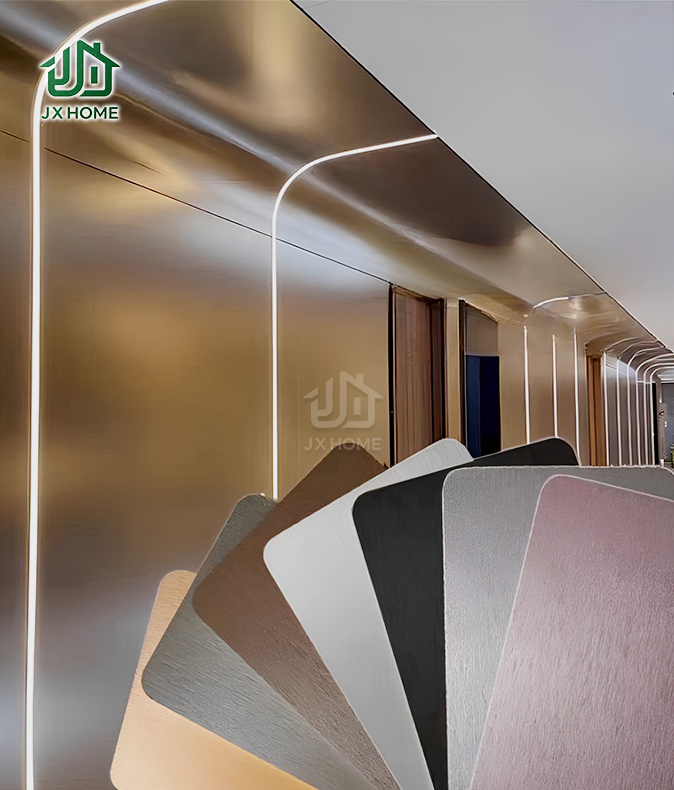
Either cold coating or hot lamination is used to attach the colorful film paper to the base. Finishes like beige, light yellow, white, and cedar white are available. The film layer is thin, but it sticks very well. When you cut from the film side up, the blade tooth exit point stays on the back face, where small fiber tears won't show up after installation.
Dimensional Tolerances and Profile Depth
The panel has a ±0.5 mm size range, which was checked at the factory. Its 24 mm structural depth is what gives it the shadow-line look that architects and designers look for in open-plan office walls. If you know this depth, you can set the blade's exposure correctly—usually between 28 and 30 mm—so it clears the panel without cutting into the section below.
Preparing to Cut: Tools and Safety
When more than one floor needs to be delivered in stages, preparation is key to avoiding mistakes that waste materials and cause installation schedules to slip.
Recommended Cutting Tools
The most common choice is a circle saw blade with a carbide tip that has 40 teeth or more and is rated for plastics and composites. Cutting at an angle at window reveals and column surrounds can be done with a sliding miter saw that has the same blade specs. A table saw with a rip fence set to 160 mm makes sure that every piece is the same when making straight cuts over and over on big business jobs. Avoid using rough disk cutters because they produce too much heat that can warp the PVC matrix along the cut edge.
Safety Protocols
WPC dust is made up of small pieces of wood and PVC. Put on a P100 half-face mask, safety glasses, and gloves that won't cut you. Work somewhere with good air flow, or connect a shop cleaner to the saw's dust port. Because the panel can work in temperatures from -30 °C to +70 °C, cold jobsites make the base a little more fragile, so slow down the feed speed by about 20% when it's below 5 °C.
Pre-Cutting Inspection Checklist
To protect both the 160*24MM model B panel and the project plan, make sure of the following things before cutting:
- Check that the panel surface film shows no bubbles, delamination, or color inconsistency—reject and report any defective pieces before cutting.
- Verify finished dimensions against the shop drawing, accounting for the 2mm thermal expansion gap specified in the interlocking system.
- Confirm blade teeth are intact and sharp; a dull blade creates heat that melts the PVC edge and leaves a ragged finish.
These checks only take five minutes per panel, but they get rid of the most common surprises that happen on the day of installation.
Step-by-Step Guide: How to Cut Effectively
As long as you know how the material works, cutting WPC wall cladding is easy. Follow this order to get the same effects on all floors of an office fit-out.
Step 1 — Mark and Clamp
Use a fine-tipped pencil to measure and mark the cut line on the film-paper face. Place the panel on two sawhorses and clamp it down with non-marring clamps. Leave at least 150 mm of extra space past the cut line so the off-cut can fall freely without catching on the blade.
Step 2 — Set Blade Depth and Make the Cut
Set the depth of the blade to between 28 and 30 mm. Before the blade hits the panel, start the saw going full speed. Then, move forward at a steady, reasonable pace, without pushing or stopping. When you force the blade, heat is released, and when you hesitate, the film surface gets chatter marks. The cleanest edge comes from a single, steady pass.
Step 3 — Dress the Cut Edge
Lightly sand the cut edge with 120-grit sandpaper to get rid of any small burrs after cutting. If the base color can be seen and is different from the film finish, use edge paint or PVC edge strips that are the same color. This step is most important for feature walls where the end grain of the panels faces the viewer.
Comparing Cutting Methods
There are different ways to do things for different sizes of projects. Picking the right way to do things will protect both your budget and your schedule.
The easiest way to do it is to use a diamond saw by hand. It can be used on any job site, doesn't need any special tools, and works well for small parts of floor or fix cuts. One problem is that different operators may make different cuts. On long pieces without a guide rail, the cut angles can move around.
With tolerances of less than 0.2 mm, CNC routing is the most accurate method. CNC cutting cuts down on waste and speeds up assembly on-site for big business projects with dozens of panels that need the same notches for electrical boxes or column wraps. The cost of setup and the need to move panels to a manufacturing shop before delivering them to the site are the cons.
Laser cutting isn't used very often for 160*24MM model B panel. When heated by a laser, the PVC can give off chlorine-based fumes that are bad for your health and can change the color of the surface. Laser cutting is not a good idea for this type of material unless there is a special system in place to get rid of the fumes.
To get the best speed, cost, and accuracy for most office fit-out projects, use a track-guided circular saw on-site along with CNC pieces that have already been cut for complicated shapes.
Procurement and Post-Cutting Support
Getting the cut right is only half the job. Finding reliable panels and keeping them in good shape after installation are also important.
Ordering and Lead Times
Customized base colors and film choices have lead times of 6–30 days for production, depending on how complicated the order is. It is possible to deliver parts by floor, which works well for projects where tenants live on lower floors while the upper floors are still being built. Minimum order freedom lets you place both sample-wall orders and full building orders.
Post-Cutting Maintenance
Once WPC panels are cut, they don't need to be painted, sealed, or given any other surface treatment. The co-extruded surface doesn't absorb water, and tests with boiling water show that swelling rates are less than 1%. As a safety measure, put a PVC edge cap on cut edges that will be in high-humidity areas like server rooms and freezers. The film surface will look brand new for years if you clean it regularly with a damp cloth and a light soap.
Quality Certifications to Request
Ask for proof that the supplier meets the requirements for EN 13501-1 Class B-s1, d0 fire rating, CARB certification for formaldehyde emissions, and ISO 9001 quality management. In business office projects across the US, these three certifications meet the needs that building owners, fire departments, and corporate real estate teams bring up most often.
Conclusion
To cut the 160*24MM model B panel properly, you need to know how the layered WPC structure works, choose the right blade, and keep your method consistent. Its signature shadow-line look comes from its 24mm depth, which also requires controlled blade exposure and a steady feed rate. Any experienced installer can make clean cuts again if they do the right things to get ready. When you add in reliable buying options like adjustable substrate colors, phased delivery, and approved fire ratings, this panel system meets both the design goals and the practical needs of modern business spaces.
FAQ
Can I use a standard wood-cutting saw blade?
You can, but results vary. A standard wood blade with fewer than 24 teeth tends to tear the film paper surface and leaves a rough edge on the PVC-rich substrate. A 40-tooth or higher carbide-tipped blade designed for composite or plastic materials produces a significantly cleaner cut with minimal finishing work afterward.
What is the standard lead time for bulk orders?
Production lead times run 6–30 days depending on the substrate color, film paper selection, and total order quantity. Projects requiring phased multi-floor delivery can arrange staggered shipments to match on-site installation schedules.
Do cut panels affect the fire rating?
No, cutting does not change the panel's EN 13501-1 Class B-s1, d0 fire performance rating. The rating applies to the material composition itself, not the panel dimensions. However, always install with specified fixing methods and junction details to maintain system compliance.
How do I handle expansion gaps after cutting?
The interlocking system is designed with a 2mm expansion gap. After cutting panels to length, maintain this gap at all end joints. Do not close the gap with adhesive or filler—thermal movement of 35×10⁻⁶ K⁻¹ requires the space to remain clear throughout the panel's service life.
Get Your 160\*24MM Model B Panel Quote from Jixiang Today
When Jixiang makes WPC wall panels, they make sure they meet all the exact requirements that business design and building teams need. As a 160*24MM model B panel provider, we can offer custom substrate colors, scheduled multi-floor delivery, and full certification paperwork. All of these services are backed by ISO 9001 production standards. You can look at technical specs and project case studies at jixianggoods.com, or you can email our team at jixiangjiajuyouxiangongsi@gmail.com to get samples or a project quote.
References
1. American Society for Testing and Materials. ASTM D7032: Standard Specification for Establishing Performance Ratings for Wood-Plastic Composite Deck Boards and Guardrail Systems. ASTM International, 2021.
2. European Committee for Standardization. EN 13501-1: Fire Classification of Construction Products and Building Elements. CEN, 2018.
3. Forest Stewardship Council. FSC Standard for Chain of Custody Certification. FSC International, 2022.
4. International Organization for Standardization. ISO 9001: Quality Management Systems — Requirements. ISO, 2015.
5. California Air Resources Board. CARB Phase II Airborne Toxic Control Measure for Composite Wood Products. CARB, 2020.
6. Clemons, Craig M. Wood-Plastic Composites in the United States: The Interfacing of Two Industries. Forest Products Journal, 2002.
Online Message
YOU MAY LIKE
High quality furniture manufacturer