Jun 12, 2026
Top Features to Look for in a Commercial Office Chair
For long-term efficiency and cost management, it's important to know what makes a high-quality commercial office chair when choosing seating for work settings. These specialized sitting options stand out because they are well-built, have advanced comfort systems, and are made of materials that are made to last through heavy daily use in a variety of work settings. Unlike home furniture, commercial-grade chairs have stronger frames, Class 4 gas lifts, and long-lasting fabric that doesn't lose its shape even after thousands of weight changes and adjustments. Built to meet strict safety standards, including BIFMA certifications, they address health concerns in the workplace while cutting the number of times they need to be replaced. This makes them smart investments for companies that care about their employees' well-being and working efficiency.
Understanding Commercial Office Chairs: What Sets Them Apart?
Built for Intensive Professional Use
The main difference between normal and commercial-grade seats is how they are built and the materials they are made of. Commercial versions have stronger steel frames, bases made of strengthened nylon or aluminum, and industrial-strength systems made to be used for 8 to 12 hours a day. The weight limits are usually between 275 and 400 pounds, and the structural parts are tried through tough processes that mimic years of use. This durability immediately leads to a lower total cost of ownership, since chairs keep looking good and working well for much longer than options made for homes.
Ergonomic Engineering as Standard Practice
Commercial seating is built around designs that are good for your health. Musculoskeletal disorders cause a lot of people to miss work, but the right lumbar support systems, synced tilt mechanisms, and multidimensional adjustability can help avoid these problems. Features like height-adjustable headrests and back supports let people with different body types make the chair fit their needs, which makes long periods of sitting more comfortable. Using breathable materials like mesh or microfiber faux leather with a soft feel keeps you cool while keeping a professional look that's good for places where you'll be meeting clients.
Compliance and Safety Standards
Unlike individual goods, commercial furniture has to meet strict rules set by the government. Structure testing is governed by BIFMA X5.1 standards, and GREENGUARD Gold approval makes sure that low chemical fumes protect the quality of the air inside. Fire-resistant products that meet CAL 117 standards keep the workplace safe. With these certificates, buying teams can be sure that investments meet legal and safety requirements. This lowers the company's risk and shows that it cares about its employees.
Top Features to Prioritize When Choosing a Commercial Office Chair
Figuring out what features are necessary makes buying easier and makes sure that product specs match up with what the company needs. The following features are standard ways for the industry to judge commercial office chair options.
Comprehensive Adjustability Systems
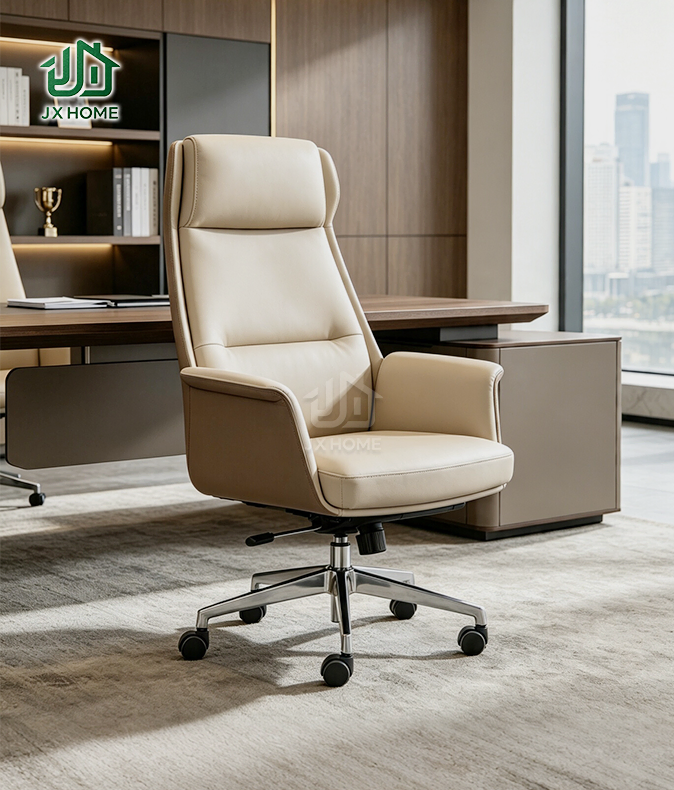
360° Rotation and Height Adjustability: A full rotation lets you move around easily at your desk, which keeps your muscles from getting tired from reaching over and over again. Pneumatic height change works with a wide range of desk setups and user tastes. Our featured model's measurements can be changed from 75 to 78 to 110 to 120 cm so it can fit a variety of office plans and employee needs.
Backrest with Reclining and Locking Function: The backrest and seat can move in coordinated ratios, usually 2:1, thanks to synchronous tilt mechanisms. This opens up the trunk angle and improves blood flow. Multi-position locking lets users lock in their chosen angles for a variety of jobs, from focused computer work to group discussions. This ability to change lowers the tiredness that comes from sitting still for long periods of time.
Adjustable Headrest and Lumbar Support: Headrests that can be adjusted in height provide important neck support for people who spend hours on video calls or reviewing work. The natural shape of the spine is targeted by independent lumbar adjustment. This stops lower back pain that lowers mood and productivity. These features take into account the different body types of workers, so single chair models can be used in all areas.
Material Selection and Maintenance Considerations
Easy-to-Clean, Faux-Leather Material with Delicate Texture: Microfiber Faux Leather furniture looks professional and is easy to clean. Fabrics need special cleaning methods to get rid of stains, but smooth surfaces don't need those and can be cleaned quickly with regular cleaners. The delicate pattern of the material keeps a high-end look even after daily use, which makes it perfect for high-traffic business areas where both looks and cleanliness are important.
Durable Structural Components: Chrome-plated five-star bases keep the structure stable and don't rust in a range of climates. When you mix faux leather with metal armrests, you get warmth without losing strength. These choices of materials are in line with industrial design principles that value longevity over short-term cost savings. They also match procurement strategies that focus on lifetime value rather than initial purchase price.
High Cost-Performance Ratio
When buying a lot of furniture, budgeting is very important, so value optimization is very important. Chairs that are durable enough for a business setting and don't cost too much let companies furnish whole buildings without sacrificing quality. The model shown is a good example of this mix because it has professional-grade materials and flexibility while still having a price that is reasonable for large orders. This cost-performance relationship is especially important when setting up multiple sites or expanding in stages.
Mobility and Operational Efficiency
Smooth-rolling casters that can be used on different types of floors make it easier to move around in the area. The 360° swivel feature makes it easier to work together and do more than one thing at once without sacrificing comfort. These mobile features help create changing workplaces where being able to change and shift is what makes people more productive.
Warranty and Supplier Reliability
Commercial seating usually comes with guarantees that cover frames and systems for 5 to 12 years. A full warranty shows that the maker is confident in the product's durability and protects buying budgets from the costs of replacing products too soon. When practical disruptions like late shipments or inconsistent quality hurt an organization's efficiency, it's just as important to look at the supplier's qualifications, production capacity, and delivery dependability.
Comparative Insights: Commercial Office Chair vs Executive Chair
Design Philosophy and Target Users
Executive chairs are designed to look good and be comfortable, with high-quality padding, high-quality materials, and a polished look that fits leadership jobs and areas where clients will be sitting. When it comes to commercial office chairs, functionality, longevity, and low cost are the most important things. By knowing this difference, you can avoid over-specification, which is when you add extra features that aren't needed and raise costs without increasing productivity.
Adjustability and Feature Depth
Executive models often have high-tech ways to move them, like 4D arms that let you change the height, width, depth, and angle. Most commercial office chairs have the basic adjustments that are needed for mechanical compliance without any extra features. This difference in features lets procurement teams carefully divide funds, saving executive specifications for jobs that need long hours of sitting or that represent the organization's brand.
Price Positioning and Volume Considerations
The difference in prices between groups has a big effect on large-scale buying. The best use of budget is to reserve executive models for specific jobs and commercial-grade seating for general workplaces. This tiered method makes sure that all companies follow the same ergonomic standards while keeping costs low. This lets more people invest in improving workspaces.
How to Choose the Right Commercial Office Chair for Your Organization
Assess User Profiles and Work Patterns
To be successful in procurement, you need to know who uses chairs and how they are used. Positions that require you to sit for 8 hours or more need a lot of practical features, while positions that require you to stand for shorter periods of time may be able to do with fewer features. When selecting a commercial office chair, capacity requirements should reflect the weight distribution of different employee groups to ensure adequate safety margins and user comfort.
Evaluate Key Performance Metrics
Systematic review systems are needed to find the right balance between ergonomics, longevity, aesthetics, and cost. Ergonomic compliance lowers lost work time due to health problems, and longevity lowers the number of times that things need to be replaced. Aesthetics that are in line with the company's brand help keep professional settings that affect how happy employees are and how clients see the business.
Supplier Vetting and Customization Options
Manufacturers that have been around for a while can show that they are reliable by showing licenses, production capacity, and service history. Customization features let you add your company's logo and make small changes to the specs to fit your organization's needs. When suppliers offer OEM/ODM services, they can make changes to custom designs or large orders, which sets them apart from competitors in businesses that deal with customers.
Procurement Tips for Buying Commercial Office Chairs at Scale
Negotiation Strategies for Volume Orders
By buying in bulk, you can get better deals on prices, longer payment terms, and the ability to customize your order without having to pay extra. Specifications that are well-defined and commitments to volume limits make bargaining stances stronger. Asking for sample units before placing full orders lowers the risk and makes sure that the goods meet expectations before they are used on a big scale.
Logistics and Installation Coordination
Coordinating delivery plans with building readiness avoids problems with storing and speeds up the activation of workspaces. When suppliers offer fitting services, domestic workers don't have to do as much work, and the products are put together correctly. Tracking tools that let you see where shipments are can help you plan ahead, which keeps your operations on schedule.
Maintenance Planning for Extended Lifespan
Setting up routines for cleaning and fixing small problems helps furniture last longer. Ongoing care is supported by repair instructions from the supplier and the availability of new parts. These actions lower the total cost of ownership and raise the return on original investments.
Conclusion
When choosing the right commercial office chair, you have to think about how it looks, how well it meets ergonomic needs, and how much it costs. Chairs that are fully adjustable, made of high-quality materials, and designed to optimize cost-performance yield real benefits through higher output and fewer replacement cycles. Knowing the differences between commercial and executive groups helps with making strategy decisions that are in line with the jobs and budgets of the company. A careful look at potential suppliers and careful planning of purchases are needed to make sure that big purchases go smoothly and help keep workers healthy and operations running smoothly.
FAQ
What Differentiates Retail Chairs from Commercial Office Chairs?
With their reinforced build and industrial-grade parts, commercial office chairs meet BIFMA longevity standards for use 24 hours a day, seven days a week. Most chairs in stores are made of lighter materials and are only meant to be used for three to four hours of light use. This difference has a direct effect on how often replacements are needed and how much they cost in the long run.
Why Should Organizations Prioritize Class 4 Gas Lifts?
As far as safety and longevity go, Class 4 gas lifts are the best. They have thicker steel walls that stop leaks and keep the adjustment stable for more than 100,000 rounds. This specification makes sure that the height adjustment works reliably over a longer period of time, which lowers the need for upkeep and safety issues.
How Do Mesh and Faux Leather Compare in Commercial Applications?
Mesh fabric lets air flow better and keeps you cooler, making it perfect for hot places or people who are busy. High-quality faux leather is easy to clean and maintain and looks professional enough for places that people will see. When choosing materials, they should be compatible with the climate and the level of upkeep that can be done in that facility.
Partner with Jixiang for Your Commercial Office Chair Procurement Needs
Jixiang Furniture specializes in providing commercial office chair options that are designed to work in tough professional settings across a wide range of industries. Our manufacturing skills allow us to handle big orders, and we offer customization choices that can be tailored to your company's brand and ergonomic needs. We make sure we meet foreign quality and safety standards that are important for B2B buying by having certifications like ISO 9001, BIFMA, and FSC.
Our commercial office chair provider services go beyond just delivering products. They also include project planning, flexible production timelines, and full support after the sale. When it comes to furnishing corporate workplaces, hospitality projects, or institutional buildings, our team offers expert advice on how to match seating requirements with the needs of the workforce and the available budget. Email our procurement experts at jixiangjiajuyouxiangongsi@gmail.com to talk about big discounts, customization options, and shipping dates that are perfect for your project. Find out how our cost-performance benefits and manufacturing know-how can help you get the most out of your furniture purchases.
References
1. Smith, J. & Anderson, L. (2022). Ergonomic Seating Standards in Modern Workplace Design. Journal of Occupational Health Engineering, 18(3), 145-162.
2. Thompson, R. (2021). BIFMA Certification Requirements and Commercial Furniture Durability Testing. Industrial Furniture Quarterly, 9(2), 78-94.
3. Martinez, C. (2023). Cost-Benefit Analysis of Commercial vs. Residential Office Furniture in Corporate Settings. Business Facility Management Review, 34(1), 22-37.
4. Chen, W. & Liu, H. (2022). Material Science in High-Performance Office Seating: A Comparative Study. Applied Ergonomics Research, 15(4), 201-218.
5. Roberts, K. (2021). Procurement Strategies for Large-Scale Commercial Furniture Acquisitions. Supply Chain Management Today, 27(6), 112-129.
6. Davidson, P. (2023). Musculoskeletal Disorder Prevention Through Workplace Ergonomic Interventions. Occupational Safety and Health Journal, 41(2), 67-83.
Online Message
YOU MAY LIKE
High quality furniture manufacturer