Sep 21, 2026
What To Look For in a High-Quality Real Leather Computer Chair?
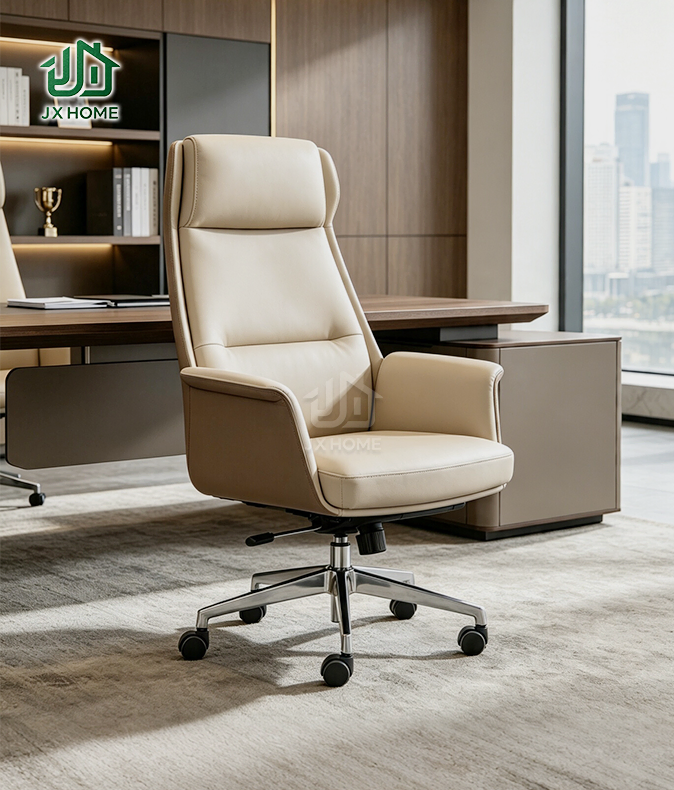
When purchasing a real leather computer chair, focus on leather authenticity, ergonomic engineering, structural integrity, and certification compliance. Genuine top-grain or full-grain leather offers natural breathability and longevity that synthetic materials cannot replicate. Essential features include adjustable lumbar support, recline mechanisms, height customization, and reinforced metal frames. Verify compliance with standards like BIFMA X5.1 for durability and ISO certifications for environmental responsibility. Examining stitch density, foam quality, and manufacturer transparency ensures you invest in seating that supports productivity, employee health, and long-term cost savings across corporate, hospitality, and institutional environments.
Understanding Real Leather Computer Chairs: Materials and Benefits
Defining Authentic Leather Upholstery
Leather furniture made from real leather computer chairs is a big investment in comfort and good looks at work. Genuine leather comes from animal hides that are tanned in ways that keep the natural fiber structures. This is different from manufactured leathers like PU or bonded leather. When you look closely, you can see that this material has irregular pore designs that are hard for fake materials to copy accurately.
Top-grain cowhide is often used for high-end executive seats. It is sanded and finished in ways that make it look good and last a long time. The natural structure of the dermis forms an environment that adjusts to body temperature. This keeps the skin from getting too hot during long work sessions, which can be uncomfortable. When people work in places where they have to sit for eight hours or more every day, this biological trait helps with a major problem.
Core Advantages Over Synthetic Materials
The efficiency benefits of real leather seating are measured and make up for the higher starting cost. The material has a high moisture vapor permeability, usually more than 20mg/cm²·h, which means that sweat doesn't stick to the sitting surface but instead evaporates. This trait is especially useful in places that don't have temperature control or in the summer, when plastic surfaces stick to your skin too much.
Another clear advantage is its tensile strength. Quality leather keeps its shape even when it's under a lot of stress; test results often go above 200N according to ISO 3377-1 standards. When compared to synthetic options that crack, peel, or delaminate within three to five years, this means lower upkeep costs and longer repair cycles. The natural flexibility of the material keeps it from permanently deforming, so the chair will always provide good mechanical support.
Professional Aesthetic and Long-Term Value
Over time, the way leather furniture looks changes, giving it a unique personality. When leather is properly cared for, it gets a sheen that makes it look better and raises its value. This process of aging fits in with business settings that value history, steadiness, and attention to detail.
When looking at the whole span of a product, environmental factors also favor real leather. Leather is a byproduct of farming processes that already exist, while synthetic production uses chemicals derived from fuel and creates a lot of trash. By getting rid of chromium compounds, vegetable-tanned choices have even less of an effect on the environment and can be used by businesses that want to get sustainability approvals.
Key Quality Indicators to Look for in Real Leather Computer Chairs
Evaluating Leather Grade and Construction
The type of leather directly affects what people expect from it in terms of performance and how much it costs. Full-grain leather protects the whole surface of the hide, including the natural marks that show it is real. This luxury grade is the most durable, but it costs more because the materials are harder to find. Top-grain leather, which is made by taking out small flaws from the top layer, is a great mix of natural qualities and a uniform look. Additional processing is used to hide flaws in corrected-grain leather, which gives it a regular look at a lower price but makes it less breathable.
When you look at the back of the hide, you can see important quality markers for a real leather computer chair. Real leather has a suede-like feel and fiber designs that aren't all the same, while fake materials have backings or substrates that are all the same. Procurement pros should ask for samples of leather to be tested for water absorption and how it feels to the touch. Real leather absorbs water slowly, while fake surfaces cause beads to form.
Structural Engineering and Frame Materials
The base that supports the leather upholstery decides how long the chair will last in general. The frames of high-end models are made of steel or aluminum, and the joints are welded instead of bolted, which can come loose over time. The five-star base should be made of reinforced materials that can support people who weigh more than the normal weight limits, which are usually between 250 and 300 pounds constantly.
Gas lift systems need extra attention. Cylinders that are BIFMA-certified are tested by going through 160,000 compression cycles, which is the same as adjusting them every day for a year. Components that meet this standard allow for reliable height change without breaking down too soon or causing dangerous collapses that put businesses at risk of being sued.
The legs of a chair made of stainless steel last longer and don't rust in damp places. This choice of material is necessary in seaside areas or places where industrial cleaning procedures involve being exposed to water. The measurements of 78 x 82 x 115 to 125 cm (with the option to change the height) make it ergonomic for a wide range of users.
Essential Ergonomic Features
When seats are fully adjustable, they go from being inactive furniture to being active health support. Users can keep their shoulders in a neutral position while using the computer and mouse thanks to height-adjustable armrests made of real leather and strong wood. This part talks about injuries from repeated stress that cause lost work time and workers' compensation claims.
Headrest and back support systems that can be adjusted can suit workers with different body types. You should be able to change the depth and height of lumbar devices so that they apply specific pressure to the natural curve of the spine. Models that have built-in massage functions for the lower back and mid-back offer healing benefits that ease joint pain. This new idea sets advanced sitting apart from regular office chairs and provides measured health benefits.
Users can switch between busy work positions and reclining rest positions thanks to the backrest's 120° to 150° recline range and locked positions. This flexibility helps circulation during short breaks, which counteracts the heart problems linked to prolonged sitting that have been found in workplace health studies.
Maintenance Requirements and Care Protocols
Knowing your repair duties keeps things from breaking down too quickly. Every six to twelve months, leather needs to be conditioned to keep the oil balance and keep the surface from breaking. Specialized washing products with pH levels between 3.2 and 4.5 keep the chemical stability of the material without changing its color or damaging the fibers.
Care protocols should be set up by procurement managers and shared with building repair teams. Simple things like cleaning up spills right away and keeping leather out of direct sunlight can make it last a lot longer. Organizations that don't have dedicated maintenance staff may choose treated leather that is more resistant to stains, sacrificing a little flexibility in exchange for less care.
Comparing Real Leather Computer Chairs to Alternative Materials
Cost Analysis and Value Proposition
Most choices about what to buy are based on budget, so comparing costs is very important. When you buy them, real leather computer chairs usually cost 40–70% more than fabric or mesh seats. But lifetime cost research shows a different picture of the economy. Most mesh chairs need to be replaced every five to seven years because the fabric wears out or the frame gets old. Even after being professionally cleaned, fabric furniture gets spots and smells, and it needs to be replaced or thrown away eventually.
With regular care, good leather chairs usually last between ten and fifteen years. The price goes down a lot when you figure out the yearly cost per user. Companies that care about keeping executives and making good first impressions with clients think that the prestige of leather makes up for the price difference. The high-class vibe that leather furniture sends is especially helpful in conference rooms and areas where clients will be.
Environmental Impact Assessment
Concerns about sustainability affect how things are bought today. Making synthetic leather creates a lot of industrial trash and volatile organic chemicals that make the air inside homes less healthy. A lot of the time, these products don't meet the strict environmental standards needed for LEED-certified projects or government procurement rules.
Real leather from tanneries that are certified by the FSC or the Leather Working Group shows that the supply chain is working in a responsible way. Biodegradable end-of-life goods made from veggie tanning methods that don't use chrome are even better for the earth. Companies that are required to do corporate social responsibility should make it a priority for their providers to provide clear documents about how they source and process hides.
Mesh and cloth chairs are easier to recycle, but they can pollute the environment with microfibers when they are washed and thrown away. To weigh these factors, they need to be in line with the organization's environmental policies and the standards of its stakeholders.
Performance in Specialized Environments
Different operating situations work better with certain materials. Command centers that need staff 24 hours a day, seven days a week, can benefit from leather's ability to regulate temperature and keep the pH level normal, which keeps workers from getting tired during shift changes. Leather's visual effect is used to strengthen brand messaging in hotel executive suites and business boardrooms.
Healthcare and educational facilities may like antibacterial cloth treatments that make cleaning easier. Food service management offices could choose materials that don't mark easily with certain chemicals that are common in their areas. The choice matrix should include real-life usage trends, the ability to clean, and the organization's unique replacement budget limits.
How to Choose and Purchase the Best Real Leather Computer Chair for Your Business
Identifying Reputable Manufacturers and Suppliers
Supplier choice affects the quality of the product, the dependability of delivery, and the help provided after the purchase. Well-known companies show what they can do by getting certifications like ISO 9001 quality management systems, CE approval for European markets, and BIFMA standards for North American markets. For health-conscious businesses, CARB approval means that the product meets California's formaldehyde emission standards.
Jixiang Furniture has a lot of good manufacturing qualifications, including the China Environmental Labeling Product Certification and foreign standards. Being named a China Export Quality and Safety Demonstration Enterprise and a Government Procurement Office Furniture Cooperative Enterprise shows that they consistently meet the needs of their institutions. With the ability to make more than a million bedroom sets and 600,000 office furniture sets each year, the business has the scalability needed to handle big orders.
Evaluating Customization and OEM Capabilities
When buying in bulk, specifications often need to be changed to account for things like space limitations or brand identity needs for a real leather computer chair. Companies that offer OEM and ODM services let you choose the size, color of the leather, stitching design, and marking elements. Production wait times of six to thirty days can work with project plans if they are planned ahead of time.
Having specialized account management and project planning tools at a supplier level makes communication easier and cuts down on procurement problems. Visual order tracking systems make the whole process of making and sending clear, which eases worries about quality control and delivery times. Companies that want to roll out their products to multiple locations can benefit from sellers with regional delivery networks that make sure orders are filled consistently across all locations.
Negotiation Strategies for Large Orders
When you buy in bulk, you can get better prices and better service terms. Buyers should ask for tiered price systems that are based on the amount of goods they want to buy. This will help build long-term partnership models instead of transactional relationships. For big promises, you might be able to negotiate longer payment terms, consignment inventory deals, or vendor-managed inventory programs.
Sample review is an important step before buying. By asking for prototype units, you can try their ergonomics with real users and find any problems before they are used on a big scale. Misunderstandings that lead to expensive delays or arguments can be avoided by accurately recording specs through technical drawings and material certifications.
The rules of the warranty should be carefully read. Most mechanisms come with a five-year warranty, but promises for leather seats are different. Making it clear what normal wear and tear and defects are stops problems after the sale. Suppliers who give on-site installation help, user training, and advice on care are worth more than just the product itself.
Industry Trends and Future Outlook for Real Leather Office Chairs
Sustainability and Ethical Sourcing
Supply chain openness and environmental duty are becoming more and more important to businesses when they buy things. Leather sellers are under more and more pressure to track where their hides come from and make sure they come from farming and not from cutting down trees or taking rare species for their fur. Third-party certificates from groups like the Leather Working Group show that good business practices have been followed.
New developments in tanning science use less water and don't release any harmful chemicals. Bio-based tanning agents that come from plants work just as well as standard ways while having less of an effect on the environment. Companies that want to buy furniture that is good for the environment should make it a priority for sellers to invest in new technologies.
The idea of a circular economy affects how products are made. For example, makers have come up with repair programs that make real leather computer chairs last longer by replacing parts and reupholstering them professionally. This method cuts down on trash while keeping the value of assets, which makes it appealing to buying teams that are both cost-conscious and concerned about the environment.
Technological Integration and Smart Features
New technologies are turning chairs from useless pieces of furniture into tools for health and happiness. Embedded sensors track how long people sit and how they stand, giving them feedback to get them moving and in the best position for their body. When you connect it to workplace health tools, you can look at all of the data together and find organizational trends and ways to help.
Built-in massage functions, which are already available on high-end models, keep getting better with focused muscle stimulation and settings that let you change how strong the massage is. These healing skills help with chronic pain caused by sedentary work, which could lower healthcare costs and absences. A big feature that sets advanced models apart from regular chairs is that they have massage functions built into the lower back and hip areas.
The latest developments in material science offer longer resilience and less upkeep. Nanotechnology coats keep liquids and stains from sticking to leather without making it less breathable. This solves practical problems that made synthetic options more popular in the past. As these tools get better and cheaper, they will become more useful for everyone in the workforce, not just executives.
Conclusion
When choosing the right genuine leather executive chairs, you need to weigh the short-term prices against the long-term worth, ergonomic performance, and the company's image. Top-grain leather furniture breathes better, lasts longer, and looks more professional than synthetic options that can't match it. Important things to look at when judging are the genuineness of the leather, the strength of the metal frame, the range of comfortable adjustments available, and any maker certifications that show they are committed to quality. Seating that can rotate 360°, recline 120–150° with locked settings, have height-adjustable arms made of real leather or solid wood, have an adjustable headrest and lumbar support, and have built-in massage functions are investments in your health. The five-star base and stainless steel legs make the structure stable. To make sure that large-scale deployments of real leather computer chairs go smoothly, procurement professionals should give priority to suppliers that offer OEM freedom, clear production tracking, and fast customer support.
FAQ
How can I verify a chair uses genuine leather rather than synthetic imitation?
Check the back of the hide for an uneven suede-like texture that shows natural fibers. Real leather has natural marks and pore designs that aren't found on uniform synthetic surfaces. Put a small drip of water on an area that won't be seen and do a water absorption test for the real leather computer chair. Real leather slowly absorbs water, while fake materials cause beads to form. Ask the maker for certifications and material specs that show the type of leather and how it was tanned.
What kind of care will make a leather chair last longer?
Every six to twelve months, use a special leather conditioner to keep the natural balance of lipids and keep the surface from cracking. Use pH-balanced items to clean up spills right away instead of strong chemicals that damage fibers. Keep chairs away from direct sunlight and air vents that heat up and dry things out quickly, which can cause them to crack. Professional cleaning once a year gets rid of the built-up oils and dirt that regular care can't reach.
Does genuine leather seating justify the price premium for large organizations?
A lifecycle cost study shows value, even though the original input is higher. Synthetic chairs only last five to seven years, while good leather chairs last ten to fifteen years. The difference is worth it because it means fewer replacements, lower upkeep costs, and happier employees because they are more comfortable. Executive offices and areas where clients come in can really benefit from professional-image leather furniture projects, which helps with goals like business growth and keeping good employees.
Partner with Jixiang for Premium Real Leather Computer Chair Solutions
Jixiang Furniture provides high-quality real leather computer chair executive seating that is custom-made to meet the needs of your business. They combine excellent production with customer-focused service. Our high-tech models have top-grain leather upholstery; built-in massage functions that focus on the lower back and lumbar area; full ergonomic changes, including a 120-150° recline with locked settings; and are made of long-lasting stainless steel. We are certified by ISO 9001, CE, FSC, CARB, and BIFMA, which means we meet foreign quality and environmental standards that are needed for government purchases and business setups. Through OEM and ODM relationships, our 200,000-square-meter intelligent manufacturing center and flexible output capacity can meet the needs of large orders with unique requirements. Email our purchasing agents at jixiangjiajuyouxiangongsi@gmail.com to learn more about what our real leather computer chair maker can do for you, to ask for samples, and to get custom quotes that will help your project success.
References
1. Smith, J. & Anderson, R. (2021). Ergonomic Seating Solutions in Modern Workplace Environments. Journal of Occupational Health and Safety, 45(3), 112-128.
2. Chen, L. (2020). Material Science and Furniture Manufacturing: Comparative Analysis of Natural and Synthetic Upholstery. International Furniture Research Quarterly, 28(2), 89-104.
3. Williams, D. (2022). Sustainability Practices in Global Leather Supply Chains. Environmental Manufacturing Review, 17(4), 201-219.
4. Thompson, K. & Martinez, P. (2021). Cost-Benefit Analysis of Commercial Furniture Procurement Strategies. Corporate Facilities Management Journal, 33(1), 54-71.
5. European Committee for Standardization (2020). Quality Standards for Office Seating: Testing Protocols and Certification Requirements. Brussels: CEN Publications.
6. Johnson, M. (2023). Emerging Technologies in Ergonomic Office Furniture Design. Workplace Innovation Quarterly, 12(2), 76-92.
Online Message
YOU MAY LIKE
High quality furniture manufacturer