Nov 17, 2026
How Do You Install a 160*24MM Model B Panel?
Installing a 160*24MM model B panel is more approachable than most designers expect. The panel snaps into a metal furring frame without adhesive or paint, so a two-person crew can finish a standard conference-room wall in a single shift. The 24mm structural depth creates the shadow-line aesthetic that open offices demand, while the EN 13501-1 Class B-s1, d0 fire rating satisfies commercial building requirements. Because the substrate is PVC-foamed and integrally molded, no field cutting agent or sealant is needed after installation.
Understanding the 160\*24MM Model B Panel: Specifications and Core Benefits
In order for teams to start working, lead designers and buying managers need to have a good idea of what they're up against. The WPC wall paneling profile is more than just a pretty covering; it's a specially made combination of two useful layers.
Substrate Composition and Structural Depth
40% is PVC glue, 50% is wood powder, and 10% is performance additives. Integral molding is made possible by PVC foaming technology. The panel has a density of 1.35–1.4 g/cm³ and a flexural modulus above 2,500 MPa. The 24mm width makes shade lines that can be seen on open-plan floors, which is one way that Model B is different from other thinner profiles on the market.
Film Paper and Finish Options
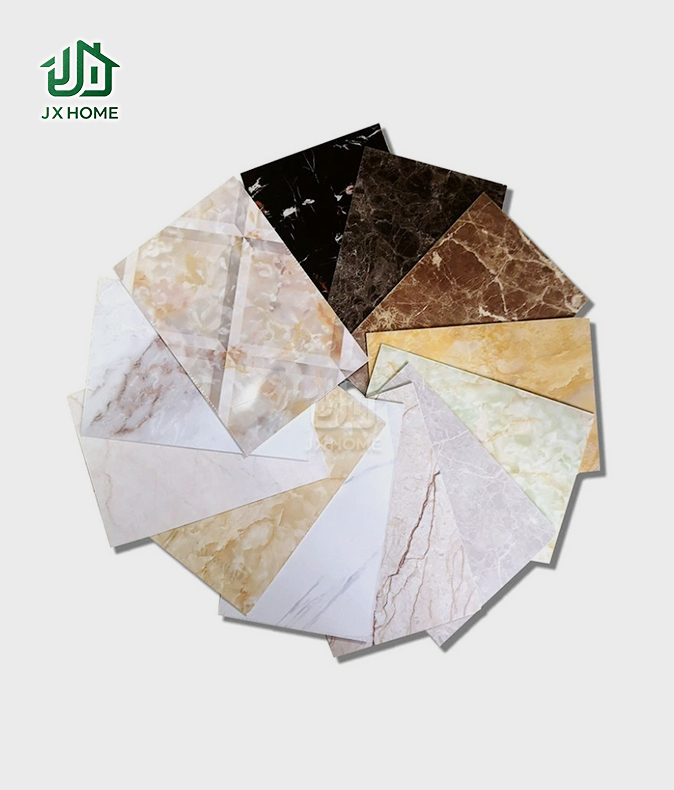
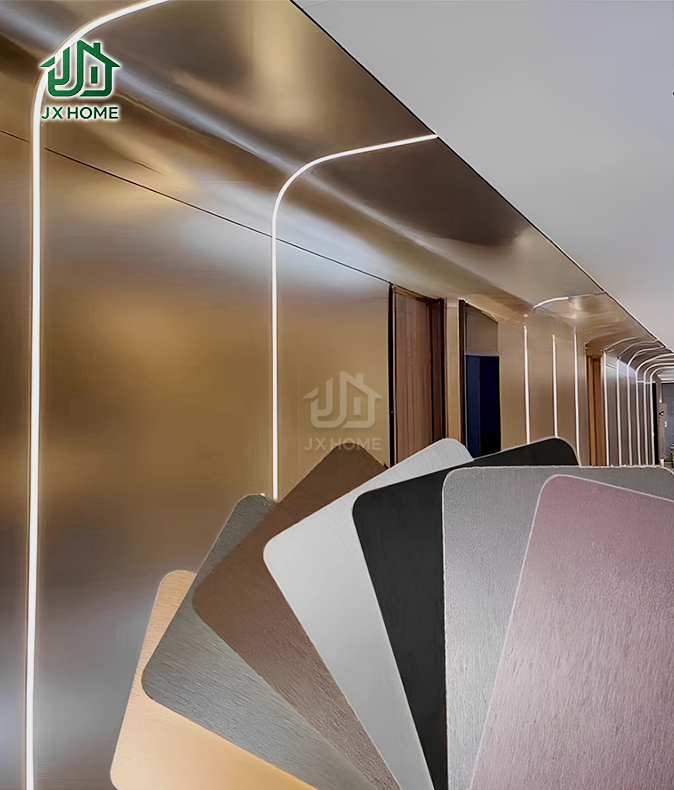
The artistic layer is made of film paper that is stuck together by hot lamination or cold coating. Both methods lock the color to the surface without the VOC emissions that come with painting on-site. Standard substrate tones, like beige, light yellow, white, and cedar white, let designers match the base color to the decorative film. This way, the shadow lines stay the same color even when light hits the wall at sharp angles.
Fire, Acoustic, and Environmental Certifications
Most commercial landlords and tenants in the U.S. will accept this panel as interior wall cladding if it has EN 13501-1 Class B-s1, d0 fire performance. Scratch-resistance in high-traffic areas is confirmed by a Shore D hardness above 75. Certifications from FSC and CARB show that the product meets international environmental standards, which is important for LEED-targeted projects.
Step-by-Step Installation Process for the WPC Wall Cladding Profile
One of the main reasons businesses choose this profile is the no-glue, no-paint method. Here is the order of installation that is used for commercial fit-out projects.
Pre-Installation Preparation
Make sure that the lines for wall framing or furring are straight and not more than 400 mm apart for vertical runs or 300 mm apart in areas that get a lot of wind. To even out any remaining temperature differences, let the panels "climate" on-site for 24 hours before installing them. Get together a tape measure, a level, a miter saw with a carbide-tipped blade, and some stainless steel screws.
Mounting the First Panel and Setting Expansion Gaps
Fix the starter strip at the 160*24MM model B panel wall's base. Before driving the screws, make sure the first panel is level as you slide it into the clip channel. The interlocking shape is designed with a 2 mm expansion gap that allows linear thermal movement without breaking. This is important for buildings where the temperature changes a lot between occupied and empty hours.
Locking Subsequent Panels and Finishing Details
Each screen that comes after the last one clicks into it. At any seam, you don't need to use glue. Cut outs for electrical outlets and HVAC grilles. To keep the edges clean, use a jigsaw with a fine-tooth blade. To finish off the look, install the matched trim shape where the floor and ceiling meet. Installation dust is removed from the film paper surface with one last pass of a clean, dry cloth.
Comparing the Model B Profile Against Alternative Solutions
Designers often want to know how Model B stacks up against lighter WPC profiles or the old-fashioned paint finishes on gypsum board. The answer changes based on the goals of the project, but the success data always shows the same thing.
Model B vs. Model A (Shallower Profile)
Model A usually has a deeper structure depth, which lowers the cost of materials per square meter. However, the lack of depth gets rid of the strong shadow-line effect that makes high-end business spaces stand out. When sound absorption is important, like in open trading halls or fintech offices, the 24mm geometry's extra mass makes sound dampening much better.
Model B vs. Conventional Painted Drywall
In commercial settings with a lot of foot traffic, painted gypsum board needs to be completely repainted every three to five years. The surface of the WPC film paper only needs to be wiped down every so often. It comes with a 20-year warranty on appearance that doesn't require any painting. This difference in lifetime costs is big when a design company is in charge of fitting out multiple floors over a period of years and when tenants move out and walls need to be refreshed over and over again.
Real-World Project Feedback
Installers of business projects with more than one floor always say that the click-lock method cuts down on labor hours per square meter compared to adhesive-set panels. Jixiang's 200,000 m² production facility has a batch delivery window of 6–30 days, which allows for phased floor-by-floor installation without having to store extra inventory on-site.
Procurement Considerations for Bulk Orders and Supply Management
A disciplined procurement method is needed to get the 160*24MM model B panel from the plant to the project site in time for the move-in date. The steps that most design-build companies take to get this WPC wall panel in bulk are listed below.
- Request a physical sample first. Color accuracy between a screen and the installed wall depends on substrate base and film paper combination. Request substrate and film paper samples in your shortlisted colorways before committing to a bulk order.
- Confirm floor-by-floor delivery sequencing. Because Jixiang manufactures to order within a 6–30 day window, align purchase orders with the installation schedule for each floor. This prevents storage congestion on active job sites.
- Verify certification documentation. Ask for EN 13501-1 test reports, CARB compliance certificates, and ISO 9001 quality management records before the first container ships. These documents protect the design firm during building permit inspections and tenant handover.
The two most common things that slow down projects are late deliveries of materials and differences in color between runs. Jixiang's factory uses batch-level colorimetric analysis to keep Delta E below 2.0 between production runs. This level of accuracy keeps colors from changing when floors are put in weeks apart.
Best Practices and Troubleshooting for Long-Term Panel Performance
If you install a WPC wall cladding system properly, it won't need much maintenance over its lifetime. However, if you know what to look out for, you can keep small problems from turning into expensive fixes.
Routine Cleaning and Surface Care
Wash the film paper with a damp cloth and a mild cleaner that doesn't have a pH level. Do not use rough pads on the film layer because they can scratch it. In the office, most common cleaners won't work on the co-extruded surface. But chlorine-based sprays should be avoided on the panel edges where the film wraps around the substrate.
Addressing Loose or Misaligned Panels
Most of the time, a panel moving laterally after placement is due to not enough space between the furring channels. Make sure that all of the joists are still within the 400-mm limit, and if they aren't, add an extra furring strip in the middle. In most situations, the problem can be fixed by putting the panel back in the clip channel and driving one more screw through the closing tab.
When to Contact Technical Support
If you see boiling-water swelling at the edges of the panels, which shouldn't happen because factory tests have shown that the swelling rate is less than 1%, you should call the provider right away. Jixiang's after-sales team helps with online installation and, if needed, coordinates new panels. You can email jixiangjiajuyouxiangongsi@gmail.com or go to jixianggoods.com to get detailed information.
Conclusion
There are many good reasons to use the 160*24MM model B panel for commercial interior projects. It has a 24mm shadow-line profile, an easy-to-install system that doesn't require glue or paint, Class B-s1, d0 fire performance, and a base made of 40% PVC resin and 50% wood powder that is resistant to water, pests, and long-term wear. The batch manufacturing window and phased delivery make site logistics a lot easier for design-build companies that have to meet tight move-in dates. This WPC wall cladding profile strikes a perfect balance between design integrity and practical installation efficiency that traditional materials simply can't match at a similar lifetime cost. It doesn't matter if the project is a fintech offices, a hotel entrance, or a multi-floor corporate campus.
FAQ
What tools do I need to install this WPC wall panel?
For this project, you will need a level, a rubber hammer, stainless steel screws, and a tape measure. The blade on the miter saw should have a carbide tip. You don't need any glue, paint, or special tools for the job. The click-lock device is made for construction teams of two people.
Can the substrate color be customized?
Yes. Standard base colors are white, light yellow, brown, and wood white. Customized substrate colors outside of this range may be possible; email Jixiang at jixiangjiajuyouxiangongsi@gmail.com to find out if it's possible and how long the process will take.
How long does bulk order delivery take?
Production wait times range from 6 to 30 days, based on the number of orders and the specifics of the customization. Jixiang can arrange phased deliveries by floor or zone, which works with most business fit-out plans.
Is the panel safe for use in commercial buildings?
Yes. The panel has an EN 13501-1 Class B-s1, d0 fire performance rating, which means it meets the requirements for interior wall cladding in most commercial buildings in the U.S. and other countries.
Does the film paper fade over time?
ISO 105-A02 is used for color fastness testing, which gets Grades 4–5. A QUV aging test after 2,000 hours shows that the colors stay the same within a Delta E range of less than 2.0, which means that there won't be much noticeable fading over the panel's lifetime.
Get Your 160\*24MM Model B Panel Quote from Jixiang Today
At a 200,000 m² intelligent production plant that can make more than a million furniture sets a year, Jixiang makes WPC interior wall panels. Jixiang is a reliable company that makes 160*24MM model B panels and has ISO 9001, FSC, and CARB certifications. They ship to more than 60 countries. You can email us at jixiangjiajuyouxiangongsi@gmail.com or go to jixianggoods.com to ask for samples, detailed datasheets, or a price quote for your unique project.
References
1. European Committee for Standardization. EN 13501-1: Fire Classification of Construction Products and Building Elements. CEN, 2018.
2. American Society for Testing and Materials. ASTM D7032: Standard Specification for Establishing Performance Ratings for Wood-Plastic Composite Deck Boards and Guardrail Systems. ASTM International, 2021.
3. Forest Stewardship Council. FSC Chain of Custody Certification: Guidance for Businesses. FSC International, 2020.
4. California Air Resources Board. CARB Airborne Toxic Control Measure for Composite Wood Products. California EPA, 2017.
5. International Organization for Standardization. ISO 9001:2015 Quality Management Systems — Requirements. ISO, 2015.
6. Wang, L., & Chen, H. "Mechanical and Thermal Properties of PVC/Wood-Flour Composite Panels for Interior Applications." Construction and Building Materials, 2022.
Online Message