Nov 17, 2026
What Are the Benefits of a 160*24MM Model B Panel?
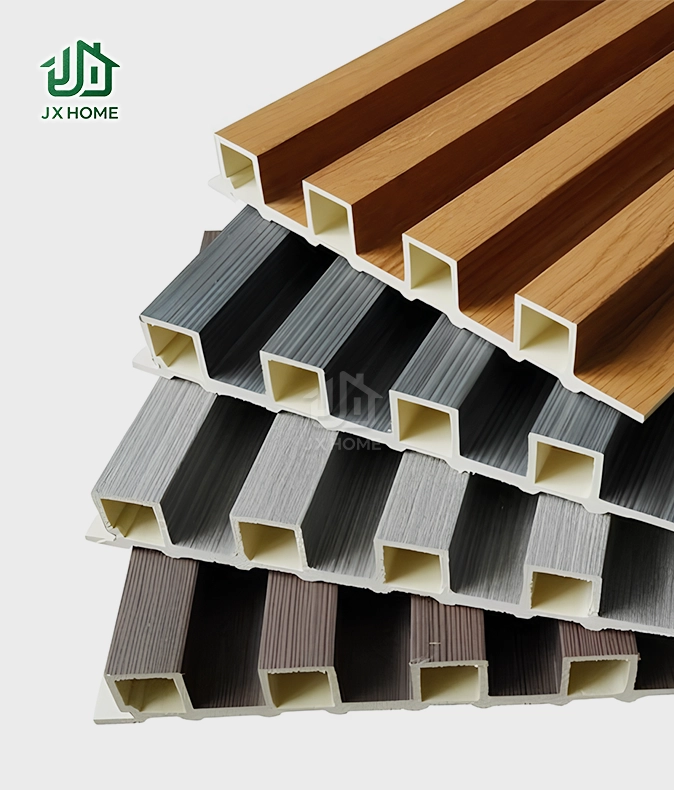
The 160*24MM model B panel delivers a precise combination of aesthetic depth, acoustic performance, and long-term structural integrity that few wall cladding profiles can match. With a 160mm effective coverage width and a 24mm structural depth, this WPC interior wall panel produces sharp shadow lines that work particularly well in open-plan office environments and high-end commercial interiors. Built from a substrate of 40% PVC resin and 50% wood powder, it resists warping, moisture, and pests while carrying an EN 13501-1 Class B-s1, d0 fire rating—making it a specification-grade choice for design teams with strict building code requirements.
Understanding the 160*24MM Model B Panel: Specifications and Key Features
What Is This Panel Made Of?
There are two parts to each panel: a substrate and a decorative film paper. The RUNTAI recipe is used to make the substrate: 40% PVC resin, 50% wood powder, and 10% useful additives. With PVC foaming technology, a body that is fully molded and has a density of 1.35–1.4 g/cm³ can be made. This design gets rid of the open spaces that are common in cheaper wall panels and gives them a Shore D hardness above 75, so they can handle daily use in business settings.
How Does Model B Compare to Model A?
Model A has a flatter profile that works best for high-rise facades and rainscreen cladding. Model B, on the other hand, has a strengthened 24 mm geometric depth that makes shadow lines that can be seen on the wall. Its depth makes it the best choice for interior design projects in places like meeting rooms, hotel lobbies, and tech company offices where texture is an important part of the design. Model A is more concerned with weather resistance, while Model B tries to find a mix between looks and soundproofing inside.
Key Technical Data at a Glance
When the temperature is between -30°C and +70°C, the panel works. It has a thermal expansion coefficient of 35×10⁻⁶ K⁻². Its bending stiffness is more than 2,500 MPa, and ISO 105-A02 color fastness tests give it a Grade 4–5 rating. The farthest apart two joists can be is 400 mm center-to-center when there is no wind and 300 mm when there is.
Advantages of the 160*24MM Model B Panel for B2B Clients
Three questions are always asked by the design and buying teams: Will it look right? How long will it last? And can we finish it on time and on budget? That's all of them. Here are the main performance benefits that answer all three.
- Shadow line aesthetics with acoustic value. The 24mm depth generates defined shadow recesses across the wall plane. Beyond appearance, this profile geometry adds acoustic damping to open offices—a measurable benefit for tech and finance tenants who need speech privacy without installing separate acoustic treatments.
- No paint, no glue, no downtime. Installation requires no wet trades. Panels interlock using a precision tongue-and-groove system with 2mm engineered expansion gaps. For office fit-outs running against tenant move-in deadlines, this single characteristic can compress the wall finishing schedule by days.
- EN 13501-1 Class B-s1, d0 fire rating. This classification confirms low smoke production and zero flaming droplets under fire conditions. Class B-s1, d0 meets the upper-limit specification required by most commercial landlords and building managers in multi-tenant office towers across the United States and Europe.
- OEM color and substrate customization. Substrate colors are available in beige, light yellow, white, and cedar white. Film paper selection follows a full color chart, applied by either cold coating or hot lamination depending on the finish requirement. This gives design teams genuine flexibility without long lead times.
When buying a 160*24MM model B panel business office building, these benefits directly address the problems that come up over and over again: the client's concerns about how it looks, the building's fire safety rules, and the contractor's tight schedule.
Comparing the 160*24MM Model B Panel with Other Models: Making the Best Choice
Model B vs. Model A: Profile Depth and Application Fit
Model A works well with ventilated wall systems and projects that need flat-plane regularity. Model B is designed to be used on inner walls, where the 24mm groove width adds interest to the shape. Should your project have an open-plan floor plate that needs visual zoning without walls, Model B will do that, while Model A would look flat up close.
Model B vs. Model C: Performance vs. Budget
Most of the time, Model C is used for low-cost residential or light commercial projects with simple decorating needs. Model B has better structural specs—its bending stiffness is over 2,500 MPa, which is higher than the lower limits usually found in cheaper WPC profiles. The structural margin of Model B makes up for the higher price in corporate offices or hotel projects where the finish on the inside needs to last for 10 years or more of daily heavy use.
Which Procurement Scenarios Favor Model B?
Model B is the best choice when at least two of the following are in the project brief: a design-forward wall finish, a fire rating above B2, a requirement for good soundproofing, or a faster installation schedule. When buying in bulk for office rollouts on multiple floors, the no-glue method also cuts down on work hours per floor, which has a real effect on the total cost of installation.
Procurement Guide: How to Buy the 160*24MM Model B Panel
Evaluating Supplier Credentials
A trustworthy company that sells WPC wall panels should have ISO 9001 quality management certification, FSC certification for environmentally friendly wood sources, and CARB certification for formaldehyde compliance. All three are held by Jixiang, and the company is also CE certified. This gives purchasing teams the paperwork they need for most commercial projects in North America and Europe.
Understanding Lead Times and Order Flexibility
Jixiang's production wait times range from 6 to 30 days, based on the number of items ordered, the color requirements, and any customizations that need to be made. Panels are not kept in stock; instead, they are made to order. Buyers should set up sample approval early in the design process. For projects that are phased over more than one floor, staggered delivery can be used to match the installation sequences on each floor without having to store the whole project's inventory on site.
Requesting Samples Before Bulk Commitment
Before you place a large 160*24MM model B panel order, ask for a real sample wall design. The best way to be sure that the finish matches the design intent is to see the 24mm shadow line profile in the real lighting of the project area. Jixiang allows for fast prototyping for sample development, which cuts the acceptance stage down by a lot.
Installation and Maintenance: Maximizing the Panel's Lifespan and Efficiency
Pre-Installation Preparation
Before the panels get to the site, make sure that the base frame meets the 400mm maximum joist spacing requirement. Give the panels 24 hours to get used to where they are being installed. Make sure the wall framing is straight within ±2 mm per meter. If it's not, the interlocking profile will show in the finished wall plane.
Installation Process
Start at one end of the wall with a straight reference line. Make sure the tongue-and-groove link is fully engaged before you tighten. The profile has a 2 mm expansion gap that handles thermal movement without the need for extra spacers. Since there is no need for glue, panels can be taken off and put back on without hurting the boards next to them. This is helpful when MEP access panels need to be built into the wall system.
Routine Maintenance
If you need to, wipe down surfaces with a wet cloth. Do not use rough cleaners on the film paper finish because they can damage it over time. The panel doesn't absorb water or allow mold to grow because the wood powder is completely enclosed within the PVC matrix. Immersion tests in boiling water show that the panel's swelling rate is less than 1%. This means that it won't break down in restrooms, kitchens, or any other business place where the temperature changes.
Conclusion
The 160*24MM model B panel is used in business interiors because it does three things well: it looks like a planned surface, it can be installed without stopping a project in the middle of work, and it will keep its finish and structure for a long time. As long as the fire grade is EN 13501-1 Class B-s1, d0, most business properties are safe. The choices for customizing the base give design teams real freedom to be creative. The no-paint, no-glue method of installation also keeps the project on schedule. For purchasing managers looking for WPC wall panels for projects in the hotel or business office sectors, this profile has the most important specifications.
FAQ
What fire rating does the 160*24MM Model B panel carry?
It has been approved by EN 13501-1 Class B-s1, d0. This means that it burns in a Class B way, making very little smoke (s1) and no burning drops (d0). It is required by most commercial landlords in multi-tenant office buildings in the US and Europe that interior wall finishes meet a minimum standard of Class B-s1, d0. This panel meets that standard.
Can substrate colors be changed after an order is placed?
During production, the colors of the substrate are set to brown, light yellow, white, and wood white. Usually, changes can't be made once production has begun. Make sure you chose the right color when you approved the sample before making a large order.
What is the minimum order for a B2B purchase?
Jixiang takes orders on a project-by-project basis, and the minimum order quantity can be changed to accommodate both the sample stage and the full rollout phase. Email the team at jixiangjiajuyouxiangongsi@gmail.com to talk about the size of your job.
How long does delivery take for a multi-floor office project?
Usually, it takes between 6 and 30 days to make something. If you ask for it, delivery can be broken down by floor, so installation can start on lower floors before the panels on upper floors are finished.
Does the panel require any special cutting tools?
Standard woodworking blades with carbide tips can easily cut through the 24mm WPC shape. The smoothest cut edge on the film paper is made by a blade with 40 or more fine teeth.
Get Your 160*24MM Model B Panel Quote from Jixiang Today
The 160*24MM model B panel from Jixiang is used in business interior projects in more than 60 countries. It is certified by ISO 9001, FSC, CARB, and CE. Whether you need samples, a phased delivery schedule, or OEM color customization for a single headquarters fit-out or a rollout across multiple sites, our team can help. To get a price from a confirmed 160^24MM model B panel manufacturer, go to jixianggoods.com or email jixiangjiajuyouxiangongsi@gmail.com with details about your project.
References
1. European Committee for Standardization. EN 13501-1: Fire Classification of Construction Products and Building Elements. CEN, 2019.
2. American Society for Testing and Materials. ASTM D7032: Standard Specification for Establishing Performance Ratings for Wood-Plastic Composite Deck Boards and Guardrail Systems. ASTM International, 2021.
3. Forest Stewardship Council. FSC Principles and Criteria for Forest Stewardship. FSC International, 2015.
4. California Air Resources Board. CARB Airborne Toxic Control Measure for Composite Wood Products. State of California, 2017.
5. International Organization for Standardization. ISO 9001: Quality Management Systems—Requirements. ISO, 2015.
6. Stark, Nicole M., and Laurent M. Matuana. "Surface Chemistry Changes of Weathered HDPE/Wood-Flour Composites Studied by XPS and FTIR Spectroscopy." Polymer Degradation and Stability, vol. 86, no. 1, 2004, pp. 1–9.
Online Message